
Key Takeaways for Teens and Parents
-
You cannot eat with clear aligners in—they must be removed before chewing any food.
-
Plain water is the only safe drink while wearing aligners; all other beverages require removal.
-
Eating with aligners increases the risk of cracking trays, trapping bacteria, and delaying treatment.
-
Teens should aim for 20–22 hours of daily wear, including after meals and snacks.
-
Soreness after eating is common, especially with new trays, and is linked to tooth movement pressure.
-
Consistent routines—remove, eat, brush, reinsert—are essential for successful aligner treatment.
Can You Eat With Clear Aligners In?
The short answer is no. Clear aligners are not designed to withstand the forces, heat, or friction involved in chewing food. Unlike traditional braces, which are bonded directly to teeth, aligners are removable plastic trays engineered to apply controlled pressure—not absorb bite force.
When teens eat with aligners in place, several problems occur simultaneously. Chewing compresses the plastic against the teeth, food particles become trapped between the tray and enamel, and heat from hot foods or drinks can distort the aligner’s shape. Even small distortions can interfere with how effectively the aligner moves teeth.
Orthodontic aligners rely on precision fit. Each tray is manufactured to shift teeth by fractions of a millimeter. Any warping, cracking, or residue buildup disrupts that precision, potentially slowing progress or causing discomfort.
While some teens may assume that “just one bite” won’t matter, repeated minor mistakes compound over time. Eating with aligners—even briefly—can shorten tray lifespan and increase oral health risks.
Why Clear Aligners Must Be Removed Before Eating
Clear aligners are made from medical-grade thermoplastic materials. While durable for their intended purpose, they are not food-safe chewing appliances. The following factors explain why removal is mandatory before meals.
Chewing Pressure and Structural Damage
Human bite force can exceed 150 pounds per square inch in the molar region. Aligners are not designed to absorb or distribute this pressure. Repeated chewing can cause:
-
Micro-fractures in the plastic
-
Stress lines that weaken tray integrity
-
Cracks that alter tooth movement forces
Over time, even hairline damage can prevent the aligner from fitting snugly.
Heat Sensitivity and Warping
Thermoplastics respond to heat. Hot foods such as soup, pizza, or heated snacks can soften aligners slightly. Even minimal softening allows trays to deform under pressure, leading to:
-
Poor fit
-
Reduced contact with tooth surfaces
-
Inconsistent orthodontic force
Once warped, aligners do not return to their original shape.
Food Trapping and Bacterial Growth
Eating with aligners traps food particles between the tray and the teeth. This creates a sealed environment where:
-
Sugars feed cavity-causing bacteria
-
Acids remain in contact with enamel longer
-
Plaque builds up faster than normal
This trapped environment significantly increases the risk of tooth decay and enamel demineralization.
Practical rule: If a food requires chewing, aligners come out first—every time.
What Happens If Teens Eat With Aligners On?
Occasional accidents happen, especially early in treatment. However, understanding the consequences reinforces why the rules matter.
Increased Risk of Cavities
Food debris trapped under aligners allows bacteria to produce acid continuously. Unlike normal eating, saliva cannot wash away sugars and acids when trays are sealed over teeth. This prolonged exposure accelerates enamel breakdown.
Staining and Discoloration
Pigmented foods such as tomato sauce, curry, berries, and chocolate can stain aligners permanently. Stains reduce transparency and may make trays visibly noticeable when worn.
Treatment Delays
Damaged or ill-fitting aligners cannot apply consistent pressure. Teeth may stop tracking properly, requiring refinements or extended treatment time.
Gum Inflammation
Food trapped at the gumline encourages plaque buildup, increasing the risk of gingivitis. Inflamed gums can become tender, swollen, and prone to bleeding.
While a single incident may not ruin treatment, repeated behavior almost always causes problems.
What Foods Are Safe During Clear Aligner Treatment?
Food safety during aligner treatment is less about what teens eat and more about how and when they eat.
Eating With Aligners Removed
Once aligners are removed, teens can eat most foods without restriction. However, orthodontic movement can make teeth temporarily sensitive, especially during the first few days of a new tray.
Foods that are generally easier during treatment include:
-
Soft proteins (eggs, fish, tofu)
-
Cooked vegetables
-
Rice, pasta, and soft grains
-
Yogurt and smoothies (without aligners)
Foods That Increase Risk Even Without Aligners
Some foods can still pose challenges even when aligners are removed:
-
Highly acidic foods may increase sensitivity
-
Sticky foods increase plaque buildup if brushing is delayed
-
Sugary snacks raise cavity risk if oral hygiene is inconsistent
Teens should rinse with water immediately after eating if brushing is not possible.
What Can Teens Drink While Wearing Clear Aligners?
Drinks are one of the most misunderstood aspects of aligner care.
Water: The Only Safe Option
Plain, room-temperature water is the only beverage considered safe while wearing aligners. Water does not contain sugars, acids, or pigments and does not affect tray shape or enamel health.
Drinking water with aligners in can also help:
-
Prevent dry mouth
-
Rinse away minor debris
-
Maintain saliva flow
Drinks That Require Aligner Removal
All other beverages require aligner removal, including:
-
Soda and energy drinks
-
Fruit juices and smoothies
-
Sports drinks
-
Coffee and tea
-
Flavored waters
Even sugar-free drinks often contain acids that can erode enamel when trapped under aligners.
Why Sugary and Acidic Drinks Are Especially Harmful
When aligners seal over teeth, acids and sugars are held directly against enamel surfaces. This accelerates demineralization and can lead to:
-
White spot lesions
-
Cavities
-
Increased sensitivity
Using a straw does not eliminate this risk, as liquid still contacts teeth.
Snacking, School, and Social Situations for Teens
Teen lifestyles often involve frequent snacks, irregular schedules, and social eating. These realities make aligner compliance challenging—but manageable.
Managing Aligner Rules During School
School lunches and snack breaks are common risk points. Teens should:
-
Remove aligners before eating
-
Store trays in a case (not napkins)
-
Rinse mouth with water if brushing is unavailable
-
Reinsert aligners promptly
Extended aligner removal during school hours is one of the most common causes of reduced wear time.
Sleepovers, Parties, and Eating Out
Social settings often lead to forgotten aligners. Strategies include:
-
Setting phone reminders after meals
-
Carrying travel-size oral care kits
-
Limiting extended grazing or snacking
Aligners should not remain out for multiple hours unless absolutely necessary.
Building a Sustainable Routine
Consistency matters more than perfection. A simple routine helps teens stay compliant:
-
Remove aligners
-
Eat or drink
-
Brush or rinse
-
Reinsert aligners
Repeating this sequence reinforces habits over time.
How Long Can Aligners Be Out for Meals?
Clear aligners are typically prescribed for 20–22 hours of wear per day. This leaves only 2–4 hours total for all meals, snacks, and oral hygiene combined.
Why Wear Time Matters
Aligners work by applying continuous, gentle pressure. When trays are out too long:
-
Teeth may shift back slightly
-
Pressure cycles become inconsistent
-
Tracking issues can develop
Even small reductions in daily wear time can slow progress.
What Happens If Aligners Are Left Out Too Long?
Extended removal may cause:
-
Tightness or discomfort when reinserting
-
Poor tray fit
-
Delayed tray changes
If aligners feel painful after reinsertion, it often means they were out too long.
Eating Discomfort, Pressure, and Soreness After Meals
Discomfort during aligner treatment is common, particularly during the first few days of a new tray.
Why Teeth Feel Sore After Removing Aligners
Aligners apply pressure to move teeth through bone. Removing them temporarily relieves that pressure. When aligners are reinserted after eating, pressure resumes, which can feel uncomfortable.
This sensation is normal and usually subsides within a few days.
Eating During New Aligner Days
When starting a new tray, softer foods are often more comfortable. Cold foods may help soothe inflammation, while very hot foods can increase sensitivity.
Related Cluster Topic: Managing Pain and Discomfort with Teen Clear Aligners
Eating-related soreness is closely connected to overall aligner discomfort. Understanding pressure cycles helps teens manage expectations and avoid unnecessary worry.
Clear Aligners vs Braces: Eating Rule Differences
Clear aligners and braces impose different responsibilities.
Why Braces Allow Eating Anytime
Braces are fixed appliances. While certain foods are restricted, braces remain in place during meals. This removes the compliance burden but introduces other risks like broken brackets.
Why Aligners Require More Discipline
Aligners shift responsibility to the teen. Success depends heavily on:
-
Removing trays consistently
-
Reinserting them promptly
-
Maintaining hygiene
Which Option Is Better for Frequent Snackers?
Teens who snack frequently may struggle with aligner compliance. However, structured eating habits often improve over time with routine.
Common Mistakes Teens Make With Food and Aligners
Understanding common errors helps prevent them.
“Just One Bite”
Even small amounts of chewing can damage aligners over time.
Drinking Sugary Beverages With Aligners In
This habit dramatically increases cavity risk.
How Teens Accidentally Lose Clear Aligners
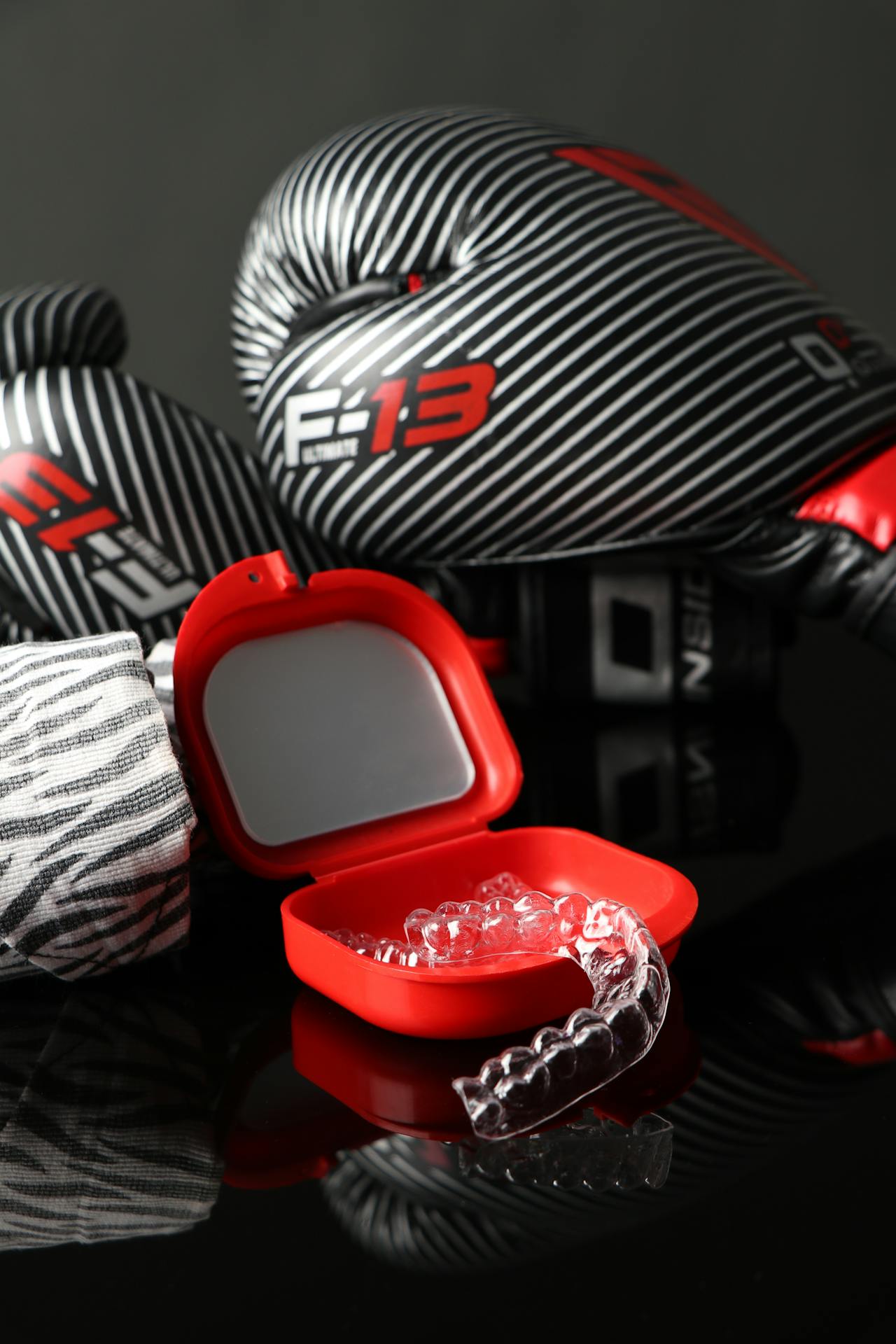
Using a protective case helps prevent clear aligners from being misplaced during meals.
Clear aligners are most often lost during meals, not during wear. Teens frequently remove aligners at school, restaurants, or social events and place them on napkins, cafeteria trays, or loose surfaces. These locations increase the risk of aligners being accidentally thrown away or left behind. Another common issue is failing to use a protective case, which exposes trays to damage inside backpacks or pockets. Lost aligners can interrupt treatment progress and may require reverting to a previous tray. Building a habit of placing aligners directly into a case immediately after removal significantly reduces the risk of misplacement.
Skipping Brushing After Meals
Food residue left on teeth under aligners accelerates plaque buildup.
Storing Aligners in Napkins
This often leads to accidental disposal and tray loss.
Visual and Table-Based Reference (Conceptual)

Brushing teeth after meals helps prevent food and bacteria from being trapped under clear aligners.
Drink Safety Overview
| Beverage Type | Safe With Aligners | Reason |
|---|---|---|
| Water | Yes | No sugar or acid |
| Soda | No | Acid + sugar trapped |
| Coffee | No | Heat and staining |
| Sports drinks | No | High acidity |
Aligner Removal Time Impact
| Time Out Per Day | Effect |
|---|---|
| <1 hour | Minimal |
| 2–3 hours | Possible delays |
| 4+ hours | Fit issues |
Frequently Asked Questions
Can teens chew gum with clear aligners?
No. Gum sticks to aligners and can distort their shape.
What if a teen accidentally eats with aligners in?
Remove trays immediately, rinse both mouth and aligners, and resume proper wear.
Can aligners be removed at restaurants?
Yes. They should always be removed before eating.
Is drinking soda with a straw safer?
No. Acid still contacts teeth under aligners.
How soon after eating should aligners go back in?
As soon as brushing or rinsing is complete.
Do aligners stain permanently?
Yes. Pigmented foods and drinks can cause irreversible staining.
Conclusion: Building Smart Eating Habits for Successful Aligner Treatment
Clear aligners offer teens flexibility, but that flexibility comes with responsibility. Eating and drinking rules are not arbitrary—they exist to protect both oral health and treatment progress. Teens who understand why aligners must be removed before meals are more likely to comply consistently.
Developing structured routines, limiting unnecessary snacking, and prioritizing oral hygiene all contribute to smoother treatment and fewer complications. Over time, these habits become second nature.
For additional evidence-based information on orthodontic care and aligner safety, consult authoritative resources such as:
-
The American Dental Association (ADA) oral health and orthodontic guidance
-
The National Institute of Dental and Craniofacial Research (NIDCR) orthodontic treatment education materials
By following clear, consistent eating and drinking habits, teens can protect their teeth, their aligners, and their long-term orthodontic results.