
- Clear aligners use removable, custom trays to gradually shift teeth, while traditional braces rely on fixed brackets and wires for continuous pressure.
- Aligners are more discreet and convenient for daily life, but they require strict patient compliance to achieve effective results.
- Traditional braces remain the most reliable option for complex orthodontic issues, including severe crowding and bite correction.
- Treatment timelines vary, with aligners often faster for mild cases and braces better suited for comprehensive corrections.
- Maintenance differs significantly—aligners support easier oral hygiene, while braces demand careful cleaning and dietary adjustments.
- Cost varies based on complexity, but braces are generally more affordable, while aligners may be pricier due to digital customization.
Orthodontic treatment has evolved dramatically over the past few decades, giving patients more choices than ever when it comes to straightening teeth. While traditional braces remain a proven and reliable method, clear aligners have emerged as a popular alternative due to their discreet appearance and convenience. Patients today often wonder which option offers better results, comfort, and value.
Understanding how these two treatments work is essential before making a decision. Each approach uses different technology, treatment strategies, and maintenance requirements, which can affect outcomes and patient experience.
This article explores the science, benefits, limitations, and practical considerations of both methods to help you make an informed choice.
Understanding Orthodontic Treatment Basics
Orthodontic treatment focuses on correcting misaligned teeth and jaw irregularities by applying controlled pressure over time. This gradual movement allows bone remodeling around teeth, enabling them to shift into proper alignment. Whether using braces or aligners, the goal is to improve bite function, aesthetics, and oral health.
Teeth movement is guided by biological processes involving ligaments and bone adaptation. When pressure is applied, the bone on one side of the tooth dissolves while new bone forms on the opposite side. This process ensures stable repositioning while minimizing trauma. Modern orthodontics leverages advanced imaging, digital planning, and custom appliances to deliver predictable results.
Why Teeth Straightening Matters
Straightening teeth goes beyond cosmetic benefits. Proper alignment can help reduce tooth wear, gum disease risk, and jaw discomfort. It also improves chewing efficiency and speech clarity, contributing to overall oral wellness.
Common Issues Orthodontics Can Correct
- Crowded teeth
- Gaps between teeth
- Overbite and underbite
- Crossbite and open bite
- Jaw alignment problems
How Do Clear Aligners Work Compared to Traditional Braces?
Clear aligners and traditional braces both aim to move teeth into ideal positions, but they do so using different mechanisms and treatment philosophies. Clear aligners rely on a series of custom-made transparent trays that gradually reposition teeth, while braces use fixed brackets and wires to apply continuous pressure. The choice between them depends on complexity, lifestyle preferences, and treatment goals.
Technological advancements have made clear aligners highly precise through digital planning and 3D modeling. Traditional braces, however, remain the gold standard for complex cases due to their strong mechanical control. Understanding the mechanics of each system can help patients determine which approach suits their orthodontic needs best.
Clear Aligners Mechanism
Clear aligners, such as those from Invisalign, use removable trays designed from digital scans. Each tray is worn for about one to two weeks, applying incremental force to move teeth.
Key features include:
- Custom digital treatment planning
- Removable trays for eating and cleaning
- Gradual tooth movement with staged aligners
- Regular progress monitoring
Traditional Braces Mechanism
Traditional braces consist of brackets bonded to teeth and connected by wires. Orthodontists periodically tighten or adjust wires to increase pressure and guide tooth movement.
Key characteristics:
- Continuous force through fixed appliances
- Greater control for complex cases
- Use of elastics or springs for bite correction
- Regular orthodontic adjustments
Advantages of Clear Aligners
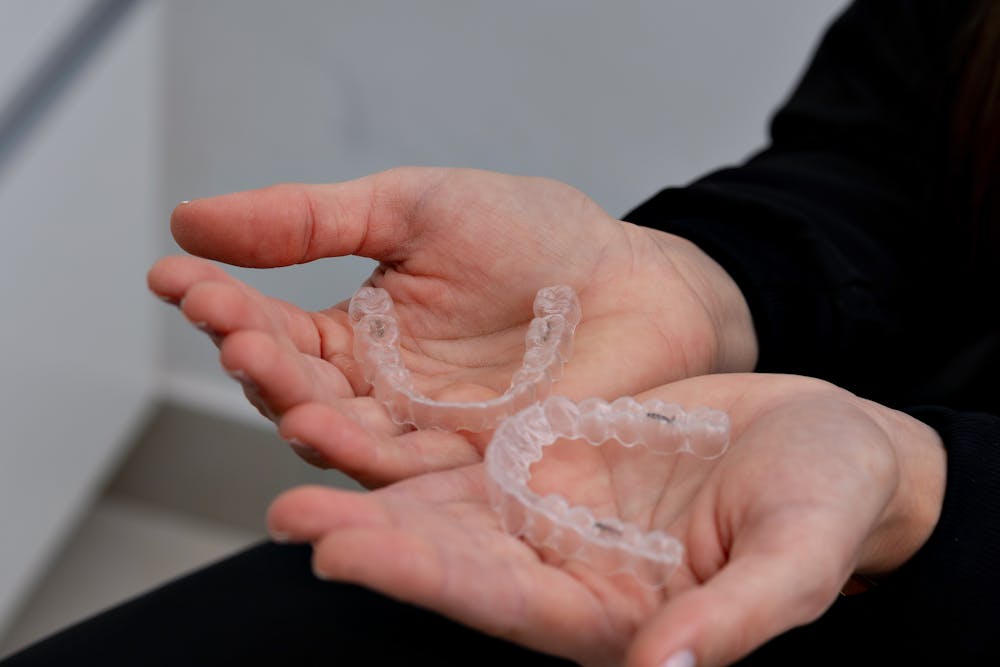
Clear aligners have gained popularity due to their discreet design and patient-friendly features. Adults and teens who prefer subtle orthodontic treatment often choose aligners because they are nearly invisible. Their removable nature also supports better oral hygiene and dietary flexibility, which can significantly enhance comfort throughout treatment.
Beyond aesthetics, aligners offer digital precision and predictable treatment planning. Advanced software allows patients to preview their future smile, increasing confidence in the treatment process. While aligners may not suit all orthodontic issues, they are highly effective for mild to moderate alignment problems.
Key Benefits
- Virtually invisible appearance
- Removable for meals and brushing
- Reduced irritation to gums and cheeks
- Fewer in-office visits
- Digital treatment visualization
Lifestyle Advantages
Patients can maintain their normal diet without restrictions since trays are removed during meals. Oral hygiene routines also remain easier compared to braces, lowering the risk of plaque buildup and staining.
Advantages of Traditional Braces
Traditional braces continue to be widely recommended due to their strength, versatility, and reliability. Orthodontists can precisely control tooth movement, making braces ideal for complex cases involving severe crowding, rotations, or bite correction. Fixed appliances eliminate reliance on patient compliance, ensuring consistent treatment progress.
Advancements in brace technology have improved comfort and aesthetics. Ceramic and self-ligating braces offer a more discreet appearance, while modern materials reduce friction and treatment time. Despite the emergence of aligners, braces remain a trusted solution for achieving comprehensive orthodontic outcomes.
Key Benefits
- Effective for complex orthodontic problems
- Continuous tooth movement without removal
- High precision and control
- Variety of material options
- Often more affordable
Clinical Effectiveness
Braces can address issues such as impacted teeth, severe bite misalignment, and jaw discrepancies more effectively than aligners. Orthodontists can also make real-time adjustments to optimize results.
Treatment Timeline and Effectiveness
Treatment duration is a critical factor when comparing clear aligners and braces. While both methods typically take 12–24 months, the timeline varies based on case complexity, patient compliance, and orthodontic goals. Clear aligners may provide faster results for mild cases, whereas braces are often necessary for comprehensive corrections requiring extensive tooth movement.
Effectiveness also depends on patient adherence. Aligners must be worn 20–22 hours daily, and inconsistent use can delay progress. Braces, being fixed, ensure continuous force application regardless of patient habits. Understanding these factors helps set realistic expectations for treatment outcomes.
Average Treatment Duration
- Clear aligners: 6–18 months for mild cases
- Braces: 12–24 months for moderate to complex cases
Factors Influencing Timeline
- Severity of misalignment
- Age and bone density
- Oral hygiene habits
- Compliance with orthodontic instructions
Comfort, Appearance, and Daily Maintenance
Comfort and convenience play a major role in orthodontic decision-making. Clear aligners generally offer greater comfort due to their smooth surfaces and absence of metal components. Patients often experience less irritation and fewer emergency visits compared to braces. However, initial pressure with each new aligner tray can still cause temporary discomfort.
Traditional braces may cause soreness, especially after adjustments, and can irritate soft tissues. Maintenance also differs significantly between treatments. Aligners require consistent cleaning and disciplined wear, while braces demand careful brushing and flossing to prevent plaque accumulation around brackets and wires.
Maintenance Comparison
Clear Aligners
- Daily cleaning of trays
- Removal during meals
- Regular replacement of trays
Traditional Braces
- Special flossing tools
- Avoidance of sticky foods
- Frequent orthodontic adjustments
Cost Considerations and Accessibility
Cost is often a deciding factor for orthodontic treatment. Clear aligners may be more expensive due to advanced digital technology and custom manufacturing processes. However, prices vary widely based on location, orthodontist expertise, and treatment complexity. Insurance coverage may also differ between aligners and braces.
Traditional braces typically offer a more budget-friendly option, particularly for complex cases requiring extensive treatment. Payment plans and financing options have made both treatments more accessible, allowing patients to choose based on preference rather than cost alone.
Average Cost Range
- Clear aligners: $3,000–$8,000
- Traditional braces: $2,000–$6,000
Financial Factors
- Insurance coverage
- Orthodontist expertise
- Duration of treatment
- Additional appliances or retainers
Who Is the Best Candidate for Each Treatment?

Choosing between clear aligners and traditional braces depends on individual orthodontic needs, lifestyle, and discipline. Aligners are ideal for patients with mild to moderate alignment issues who can commit to wearing trays consistently. Adults and professionals often prefer aligners due to their discreet appearance and convenience.
Braces are better suited for patients requiring significant bite correction, complex tooth movement, or jaw alignment treatment. Children and teens may benefit from braces because compliance with removable appliances can be challenging. Consulting an orthodontist is essential for personalized treatment recommendations.
Ideal Candidates for Clear Aligners
- Mild to moderate crowding or spacing
- Adults seeking discreet treatment
- Patients with strong compliance habits
Ideal Candidates for Braces
- Severe misalignment or bite problems
- Younger patients needing fixed treatment
- Cases requiring precise orthodontic control
Potential Limitations and Risks
While both treatments are effective, each has limitations that patients should consider. Clear aligners may struggle with complex rotations or vertical tooth movement, and poor compliance can compromise results. Losing trays or failing to wear them consistently may prolong treatment duration.
Traditional braces, on the other hand, can cause oral discomfort, dietary restrictions, and hygiene challenges. Brackets may also break, requiring emergency visits. Understanding these limitations allows patients to prepare for potential challenges and maintain realistic expectations throughout treatment.
Common Risks
- Tooth sensitivity
- Gum irritation
- White spot lesions from poor hygiene
- Temporary speech adjustments
Final Thoughts: Which Option Is Better?
Clear aligners and traditional braces both offer effective solutions for achieving a straighter smile, but the best option depends on individual needs. Aligners excel in aesthetics, comfort, and convenience, making them appealing for adults and mild cases. Traditional braces remain unmatched for complex orthodontic corrections due to their mechanical strength and precision.
Ultimately, the decision should be guided by professional evaluation, treatment goals, and lifestyle considerations. A consultation with an orthodontist ensures accurate diagnosis and personalized treatment planning, helping patients achieve optimal results regardless of the chosen method.